A TikTok video can reach a million viewers in 48 hours. The problem is that TikTok views do not automatically become Spotify streams.
For most independent artists, the conversion rate between a viral clip and a new listener on a streaming platform can be low. That means a video with 100,000 views might create only a small number of actual Spotify plays unless the artist has a clear funnel in place.
That gap is where many artists lose the value of their TikTok momentum. They create content that performs well on the short-form platform, but they never build the bridge that carries viewers to Spotify, Apple Music, or other streaming platforms.
A working TikTok music promotion strategy connects three stages. First, the content has to earn attention. Then, that attention needs to turn into streaming platform visits. Finally, those streams should be amplified through organic playlist promotion so Spotify’s algorithm can pick up the momentum and extend it.
This guide explains how to use TikTok as the awareness layer in a larger music promotion strategy, not as a standalone growth channel.
Understanding the gap is the first step toward fixing it. TikTok is built for content consumption. Viewers scroll, watch, react, and move to the next video without leaving the app.
That matters because TikTok does not naturally push viewers toward Spotify. The platform rewards content that keeps users inside TikTok, which means artists need to create enough desire for the full song that viewers are willing to take the extra step.
A single call to action is usually not enough. The Reel, video, caption, comment, profile, sound page, and smart link all need to work together. If one part of that path is unclear, viewers may enjoy the clip but never become Spotify listeners.
The conversion rate also depends on the song and the content structure. Tracks with a strong hook in the first 15 seconds tend to convert better because the TikTok clip feels like a trailer for the full song. Songs that fit a trend, emotion, scene, or repeatable format also travel more easily because creators can understand how to use them.
Clear access matters too. A visible bio link, TikTok sound integration, pinned comments, and a smart link can all reduce friction. The easier it is for someone to move from “I like this sound” to “I am playing this on Spotify,” the more value you capture from your TikTok reach.
The advertising and music discovery trends shaping 2026 show that TikTok remains powerful for music discovery, but the artists who benefit most are the ones who treat the platform as the top of a funnel.
Every small improvement in your TikTok-to-Spotify conversion rate compounds over time. If one artist converts twice as many viewers from the same number of videos, that artist creates more streams, more saves, more playlist signals, and more opportunities for the Spotify algorithm to recommend the track.
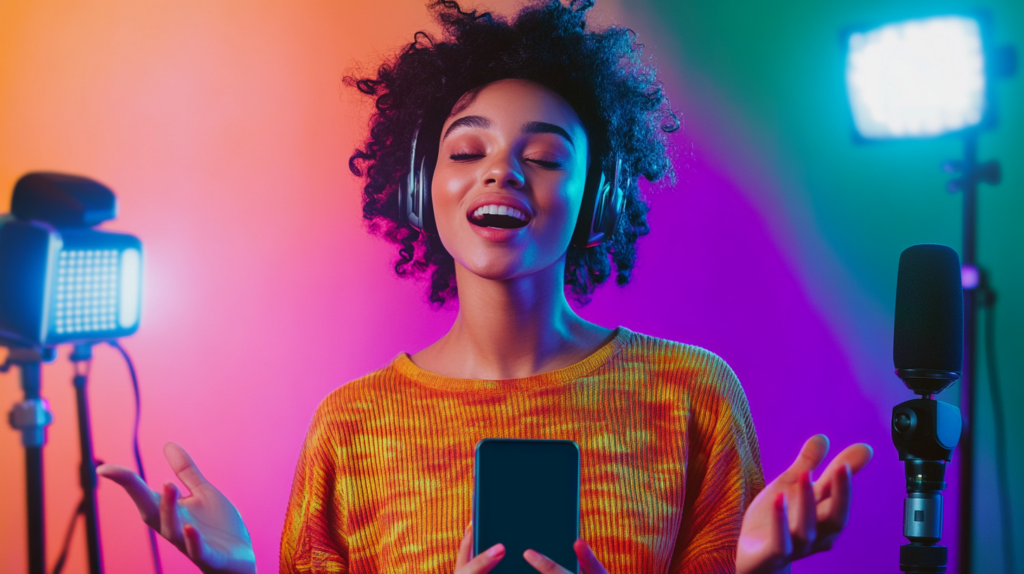
Effective TikTok music marketing starts with a content framework, not random posting. A studio clip one day, a cover the next, and a trend attempt the following week may create activity, but it does not always create a clear audience profile.
TikTok’s algorithm learns from who engages with your content. If your account keeps attracting different audiences for unrelated reasons, the platform has a harder time understanding who should see your next video.
A stronger strategy uses three content pillars.
The first pillar is music-first content. These are clips that put your song at the center. Use the strongest 15 to 30 seconds of the track, pair it with a visual that supports the emotion, and make sure the song is attached as the TikTok sound so other creators can use it.
This type of content is what drives streaming conversions. It gives the viewer a direct reason to search for the full song.
The second pillar is personality content. These posts help viewers connect with you as an artist. Songwriting process videos, honest reflections, milestone reactions, studio moments, and day-in-the-life clips make the artist feel human.
That connection matters because casual viewers often need more than one clip before they become listeners. Personality content builds familiarity, and familiarity makes the next music-first post more likely to convert.
The third pillar is trend participation. Trends can expand reach, but they should still connect back to your music or artist identity. A trend post can introduce you to new viewers, while a pinned video, follow-up post, or comment can guide that attention toward your song.
A practical ratio is roughly 40% music-first content, 30% personality content, and 30% trend participation. That balance keeps the feed interesting while maintaining enough music-focused posts to drive Spotify traffic.
During an active release period, post at least four to five times per week. Consistency gives TikTok more chances to test your content with the right audience. The social media content ideas for musicians guide can help you build a larger bank of content formats without repeating the same post.
Your song’s presence on TikTok depends on whether it is available as a TikTok sound. To make your track usable by other creators, it needs to be distributed to TikTok through your music distributor.
Most major distributors, including DistroKid, TuneCore, CD Baby, and others, include TikTok distribution as part of their standard release process. Once your track is live as a TikTok sound, creators can use it in their videos, and each video using the sound can point viewers back to the original audio page.
Organic sound adoption is one of the strongest forms of TikTok music promotion. When creators voluntarily use your sound because it fits their content, every video becomes another entry point into your music.
A sound used by 100 creators can create a much larger reach than one artist account posting alone. More importantly, those videos show the song in different contexts, which helps other users understand how the track can fit their own content.
To encourage sound adoption, identify creators whose content matches your music. This does not always require a paid campaign. A simple message can work if it feels genuine and specific.
Instead of sending a generic pitch, explain why your track fits their style. A message like “I think this song fits the vibe of your transition videos” is more compelling than “please use my sound.”
Target creators in the 5,000 to 50,000 follower range first. Mega-influencers are harder to reach, while very small accounts may not create enough momentum. Mid-tier creators often offer the best mix of response rate, audience quality, and reach.
Paid sound promotion can also work, but it should be used carefully. Paid creator placements can create volume, but if the content feels forced, viewers may ignore it. TikTok audiences detect inauthenticity quickly.
For long-term growth, paid creator work should support the same principles as organic music promotion: real engagement, natural fit, and music that connects with the right audience.
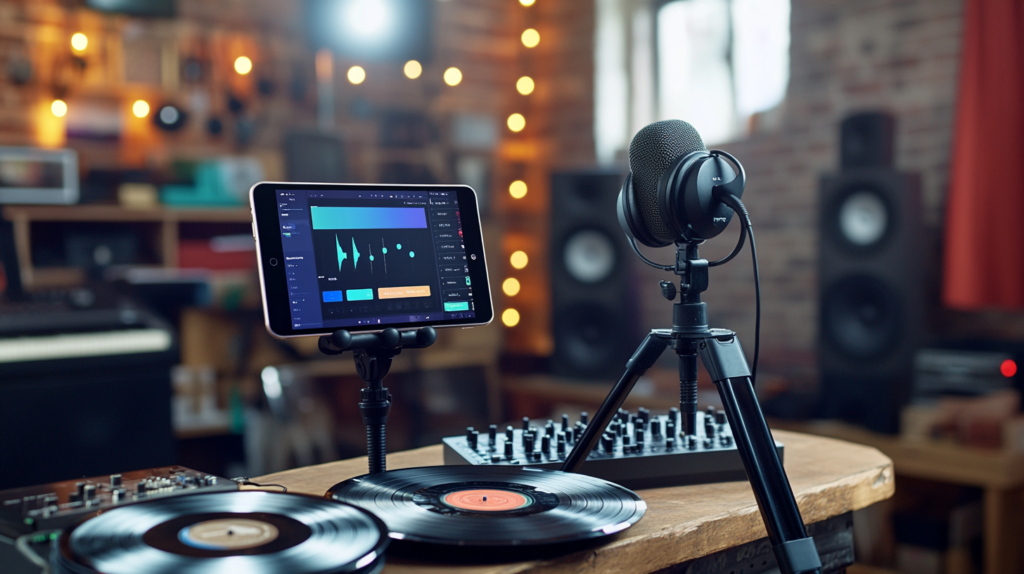
The conversion between TikTok and Spotify requires deliberate infrastructure. Start with your TikTok bio.
Your bio should include a smart link that sends visitors to a landing page where they can choose their preferred platform. Tools like Linkfire, Feature.FM, ToneDen, or Hypeddit can route users to Spotify, Apple Music, YouTube Music, or Amazon Music.
A raw Spotify link can work, but it misses listeners who prefer other platforms and gives you less data. A smart link helps you understand which videos, clicks, and platforms are producing actual listener behavior.
TikTok’s native music integration also matters. When your track is distributed to TikTok through a participating distributor, a “Listen on Spotify” or similar platform button may appear on the sound page or related surfaces. That removes friction because viewers can move from the video to the song more easily.
Your content should also include conversion cues without feeling like an ad. A text overlay that says “full song on Spotify” can work better than hiding the CTA in a comment. A spoken mention can work too, especially if it feels natural within the video.
Pinned comments are also useful. A comment such as “full song is in my bio” gives viewers a clear next step when they open the comment section. If your post starts gaining traction, that pinned comment becomes part of the funnel.
For upcoming releases, TikTok should begin before release day. Use teaser clips, studio footage, lyric previews, and countdown content in the seven to ten days before the track drops. By the time the release goes live, viewers should already recognize the sound.
A strong Spotify release strategy treats TikTok as the awareness phase. A music pre-save campaign can then capture early interest and convert it into day-one streaming activity.
The most common mistake in TikTok music promotion is treating it as a self-contained strategy. TikTok creates awareness, but Spotify decides whether that awareness becomes sustained streaming growth.
If someone hears your song on TikTok, searches your name, plays the track once, and leaves, you gain a single stream. That is useful, but it does not always create momentum.
If that listener also sees the song placed on relevant playlists, saves it, repeats it, and finds a complete artist profile, the signal becomes stronger. Spotify begins seeing activity from more than one discovery source, which can help the song look more like an organic breakout.
This is where organic playlist promotion can support TikTok momentum. Playlist placements add listener activity from curated environments, while TikTok creates social discovery. Together, they can create a healthier engagement pattern than either channel alone.
At Explicit Promotions, organic Spotify promotion focuses on connecting tracks with curated playlists and real listeners. That matters because the goal is not empty numbers. The goal is to help the song reach listeners who are likely to stream, save, repeat, and engage.
The timing matters. Launch your TikTok content push and your organic playlist promotion campaign around the same release window. TikTok builds the awareness spike, while playlist placements add engagement depth.
That coordinated approach can support Discover Weekly, Release Radar, Spotify Radio, and autoplay recommendations. It also aligns with the way Spotify evaluates tracks through multiple listener signals.
After the initial push, monitor your playlist performance data alongside your TikTok analytics. If a specific TikTok format drives profile visits and search traffic, and playlist placements are producing saves, that is the kind of pattern worth repeating.
A data-driven music promotion strategy helps you reinvest in the content formats, platforms, and playlist campaigns that produce the strongest results for each release.

Vanity metrics can weaken a TikTok music promotion strategy. Views, likes, and comments feel rewarding, but they do not always show whether people are becoming listeners.
The metrics that matter are the ones that connect TikTok activity to streaming behavior.
On TikTok, track your sound usage count. This shows how many creators are using your track. If that number grows, your song is starting to move beyond your own audience.
Also, track your profile visit rate. A video with 500,000 views but very few profile visits may be entertaining without creating music interest. A video with fewer views but a strong profile visit rate may be more valuable because it moves viewers closer to the song.
Your link click-through rate is another key metric. This tells you whether profile visitors are actually moving to your smart link. If profile visits are high but link clicks are low, the bio, link placement, or CTA may need work.
On Spotify, track streams from search in Spotify for Artists. A spike in search-driven streams after a TikTok post suggests that viewers are looking for the track. The Spotify for Artists metrics guide can help you read those changes more clearly.
Track your save rate on the days TikTok content performs best. Saves show whether TikTok-driven listeners are becoming long-term fans or one-time plays. Also monitor Spotify follower growth, because followers are more likely to receive future releases through Release Radar.
Review both platforms weekly. The artists who sustain TikTok-driven Spotify growth are the ones who close the feedback loop: post content, measure conversion, identify what worked, and repeat the formats that produce streams rather than just views.
The music promotion tools guide can help you organize cross-platform data and track the signals that matter most.
Videos between 15 and 45 seconds usually work best for music promotion. That length gives the song enough time to create interest without losing watch-through rate.
Distribute your track through a music distributor that supports TikTok distribution. Once approved, your song can appear as a usable TikTok sound that other creators can add to their videos.
Start with organic content first. Then use paid boosts on videos that already show strong engagement. Paid reach works best when it amplifies content that has already proven it can connect.
TikTok music promotion can create massive awareness, but awareness alone does not build a streaming career. The real opportunity is turning short-form attention into Spotify streams, saves, playlist engagement, and long-term fan growth.
To make that happen, artists need more than viral clips. They need music-first content, a clear TikTok sound strategy, creator outreach, smart links, strong CTAs, release timing, and organic playlist promotion that supports the momentum once listeners reach Spotify.
TikTok works best as the top of a larger growth funnel. When the short-form content, streaming profile, playlist strategy, and analytics all work together, every video has a better chance of becoming more than a view.
Start a campaign with Explicit Promotions to turn your TikTok momentum into stronger Spotify growth. Our organic Spotify promotion helps connect your music with real listeners, curated playlists, and engagement signals that support streams, saves, and long-term discovery.
