You became a musician to make music, not to perform for a phone camera three times a day. If the thought of posting online feels exhausting, you are not alone. Many independent artists know they need social media content ideas for musicians, but knowing you should post and feeling comfortable posting are two very different things.
The good news is that music promotion does not require you to become a full-time influencer. You do not need to dance on camera, chase every trend, or build your entire personality around the algorithm. You need a realistic musician social media strategy that helps people discover your music, understand your artist identity, and move from a short clip to your Spotify profile.
A strong content plan should feel sustainable. It should support streaming growth, fan engagement, playlist promotion, and release momentum without making you hate the process. The goal is not to post more for the sake of posting. The goal is to create social media content that makes listeners curious enough to stream, save, follow, and come back.
Social media does not directly control Spotify’s algorithm, but it can influence the behavior that Spotify cares about. When a viewer hears a clip, clicks through to your track, saves it, replays it, or adds it to a playlist, those actions become meaningful listener signals. Those signals can support stronger release performance over time.
This is why social media matters even for artists who dislike posting. Your content acts as the first introduction, while streaming platforms capture the deeper action. A short video may not guarantee a fan, but it can create the first touchpoint that leads someone to your catalog. When that happens repeatedly, your artist growth starts to compound.
You do not need millions of followers for this to work. A smaller audience that actually listens can be more valuable than a large audience that scrolls past everything. For newer artists, consistency and relevance matter more than viral reach. The guide on music marketing tips for new artists who want real fans connects well with this idea because real growth depends on attracting listeners who care about the sound.
The easiest place to start is with content that does not require a full production setup. A song snippet with a simple lyric overlay can be enough to make someone stop scrolling. You can use a vertical clip, a still image, or a simple visual loop while the strongest part of the track plays. This kind of Instagram content for artists works because it gives the viewer the music first.
A quick studio photo can also create connections. A laptop, headphones, notebook, microphone, guitar, or late-night session setup gives listeners a glimpse into the process. The caption does not need to be dramatic. A simple line about what you are working on can make the artist feel active, human, and present.
Another easy format is a “currently listening to” post. Sharing a track, album, or artist you genuinely like builds community and shows taste. It also helps your page feel less like a constant sales pitch. A strong music brand is not only about promoting your own songs. It is also about giving followers a sense of the world your music belongs to.
Milestone posts are useful when they feel honest. If you reach 1,000 streams, get added to a playlist, cross a new monthly listener number, or receive a meaningful fan message, share it with context. These moments tell a story of progress, and they allow your audience to feel part of the journey.
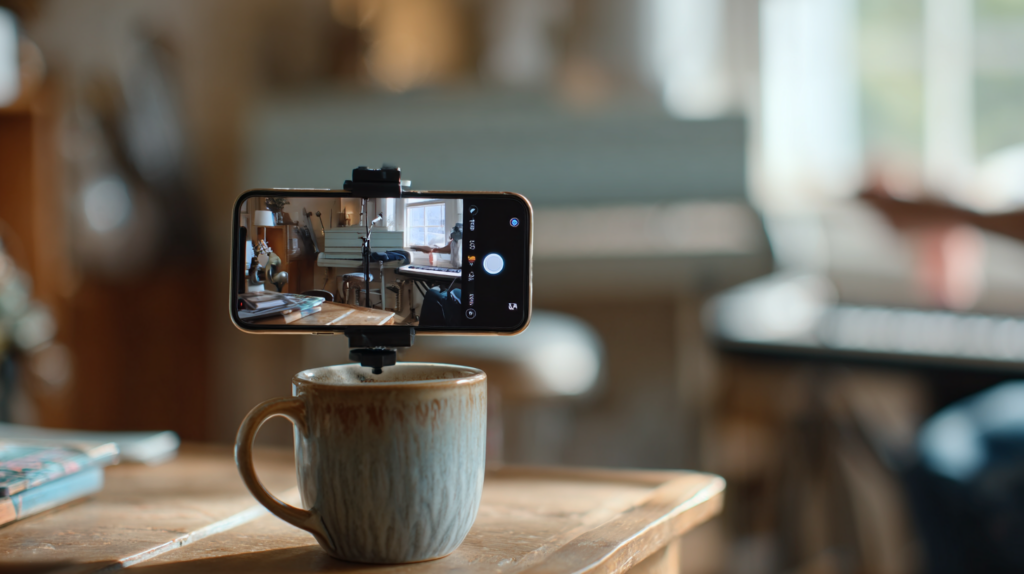
Behind-the-scenes content works because listeners like to see how a song becomes real. A short clip of you recording vocals, testing melodies, adjusting a mix, or experimenting with an instrument can feel more interesting than a polished promotional graphic. It gives the audience access to the creative world behind the track.
This type of content is especially useful for artists who do not want to “perform” online. You can simply document what is already happening. If you are writing lyrics, film the notebook. If you are recording, capture a few seconds of the session. If you are listening back to a mix, show the reaction. The content feels natural because it comes from the actual process.
A strong artist narrative often grows from these small moments. Fans begin to understand how you work, what you care about, and what kind of emotion your music carries. That context can make them listen differently when the full song is released.
For artists trying to make each release feel more intentional, the Spotify release planning template can help connect creative content with a stronger rollout. The best content does not sit apart from the campaign. It supports the full release story.
One of the strongest content formats is explaining the story behind a song. Listeners may enjoy a hook, but they often remember the meaning. A short video or caption about why you wrote the track can give people an emotional anchor before they hear the full version.
This does not mean you need to overshare. The story can be simple. You can explain a lyric, describe the mood of the session, talk about a relationship, mention a difficult season, or share the moment that inspired the idea. The point is to help the listener understand why the song exists.
A songwriting breakdown can also show the evolution from demo to finished track. You can compare an early voice memo with the final version, show a lyric that changed, or explain why you chose a certain sound. This kind of social media content gives the audience something deeper than “new song out now.”
These posts can also support Spotify's growth because they make people more likely to stream the full track with intention. When listeners understand the story, they are more likely to save the song, share it, or return to it later.
Short-form video remains one of the most effective ways to introduce music to new listeners. TikTok ideas for musicians, Instagram Reels, and YouTube Shorts work best when the strongest part of the song appears immediately. The first two seconds matter because the viewer decides quickly whether to stay.
Do not start with a long intro. Start with the hook, the emotional lyric, the beat drop, the vocal moment, or the visual that makes people stop. A simple performance clip can outperform a complicated concept if the song enters fast and the viewer understands the mood immediately.
Your own music should be the focus of a significant portion of your short-form content. Trending sounds can help with reach, but they should not replace your catalog. The real value comes when people associate your page with your songs, your voice, and your artist identity.
For artists preparing a larger rollout, the guide on maximizing first-week Spotify streams is useful because short-form content can help build early attention before release day. The video is not just content. It is part of the release engine.
Instagram does not need to be complicated. Your feed can hold the more polished pieces, such as cover artwork, press photos, performance clips, release announcements, and milestone posts. Stories can carry the lighter updates, such as studio moments, thoughts, polls, Q&A responses, and quick reminders.
This separation makes posting easier. You do not need every story to be perfect because stories disappear quickly and feel more casual. You can use them to stay present without overthinking the layout of your profile. For many artists, this reduces the pressure that makes posting feel impossible.
Your feed should still support your music brand identity. The visuals do not need to look expensive, but they should feel connected. Consistent colors, photo style, captions, and tone help listeners recognize you faster when they see your content again.
If your profile feels scattered, social media attention may not convert into deeper listening. When someone clicks from Instagram to Spotify, your page should feel like the same artist. The article on building a music brand that fans remember is a strong next step for creating that consistency.
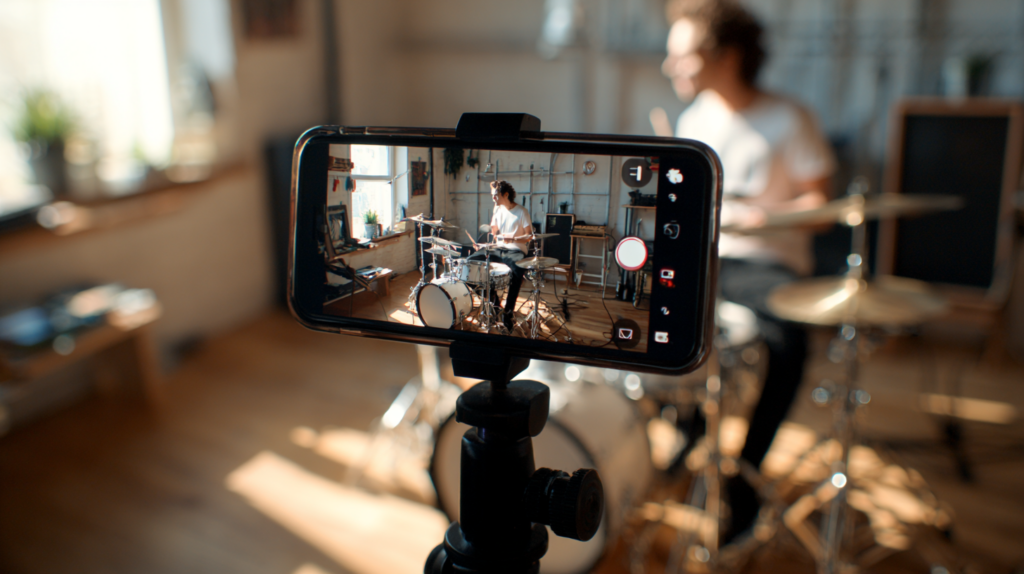
Daily content creation is one of the fastest ways to burn out. Batch creation solves that problem by separating creativity from posting. Instead of trying to make something every day, you can spend one focused session each week capturing clips, photos, captions, and short updates.
A two-hour session can produce enough material for several days. You might record a few song snippets, capture behind-the-scenes footage, take studio photos, write captions, and prepare a few story prompts. Once the content exists, posting becomes a scheduling task instead of an emotional burden.
This approach is especially helpful when you are preparing a release. You can build content around the song’s story, hook, lyrics, cover art, and recording process before the track goes live. That gives you a stronger pre-release campaign without forcing you to create under pressure.
Batching also helps your content feel more connected. When several posts are created around the same release concept, the campaign feels intentional. The guide on music pre-save campaigns that build real momentum can help connect this content with stronger early listener activity.
The strongest social media content not only entertains. It gives listeners a clear next step. That next step may be streaming the song, saving it, following your Spotify profile, joining your email list, watching the full video, or sharing the track with someone who would understand it.
The call to action should feel natural. Instead of forcing “stream now” into every caption, connect the action to the story. If the post explains the lyrics, invite people to hear the full song. If the video shows a demo, tell them the finished version is out. If the post celebrates a playlist add, thank listeners and point them toward the track.
This is where music promotion and content work together. Social media creates the spark, while streaming platforms capture the deeper engagement. When a campaign also includes relevant playlist placements, that momentum can expand beyond your current followers.
For artists using social content alongside playlist support, Spotify's playlist strategy that actually drives streams explains how playlist fit, listener behavior, and campaign timing work together. Content gets people interested. Playlist exposure helps the right listeners discover the track at scale.
It can be tempting to chase fast numbers when a post performs well. Some artists respond by buying suspicious traffic, joining low-quality playlists, or pushing music into audiences that do not match the genre. That can create temporary visibility, but it rarely creates real fans.
A safer approach focuses on organic music promotion, aligned listeners, and genuine engagement. If your social media content is driving interested people to the song, your playlist campaign should support that same audience. The goal is not inflated plays. The goal is stronger streaming signals, better retention, and a growing listener base.
Fake activity can weaken the connection between your content and your streaming results. If people do not save, replay, follow, or explore your catalog, the numbers may look active without helping the release. Quality matters more than a short spike.
Before investing in promotion, artists should understand the difference between real listener growth and artificial activity. The guide on organic vs fake streams explains why safe promotion matters for long-term Spotify performance.

Yes, most musicians need some form of social media because it helps create the listener behavior that supports Spotify's growth. Social platforms introduce people to your music, while Spotify measures deeper actions like streams, saves, follows, playlist adds, and repeat listening. You do not need to post constantly, but consistent content can make each release stronger.
Musicians who hate posting should start with low-pressure formats like song snippets, lyric clips, studio photos, behind-the-scenes videos, demo comparisons, voiceovers, and short stories about the song. These formats work because they focus on the music and the creative process instead of forcing the artist to become a full-time content creator.
Social media content can drive more streams when it gives listeners a reason to leave the platform and hear the full track. A strong clip, lyric moment, performance video, or song story can create curiosity. When viewers click through, stream, save, or follow, those actions can support stronger release momentum and healthier streaming growth.
Social media does not have to feel like a second career. For musicians who hate posting, the best approach is simple, repeatable, and connected to the music itself. Start with low-effort content, document your process, share the story behind your songs, and use short-form video to introduce the strongest moments of each track.
Your content should help listeners understand your sound, remember your artist brand, and take the next step toward your music. When social media activity is paired with safe playlist promotion, the result can be stronger first-week engagement, better discovery, and more meaningful audience growth.
Ready to grow your streams the right way? Contact Explicit Promo today and start building real momentum with organic playlist promotion designed to connect your music with real listeners.
