Most independent artists hear “sync licensing” and imagine a music supervisor in a Hollywood office choosing songs from major-label catalogs. That image is outdated, and it may be holding artists back from real opportunities.
The sync licensing opportunity for independent artists is bigger than ever. YouTube creators are publishing thousands of videos every day, and indie filmmakers need music for features, shorts, documentaries, trailers, and social content. Many of these buyers do not have the budget to license famous catalog tracks, but they still want music that feels original, emotional, and professional.
This creates a lower-barrier path for artists who own their music and know how to present it. You may not land a major Netflix placement immediately, but you can start building a sync licensing resume through YouTube channels, short films, indie documentaries, creator videos, and small commercial projects. The key is understanding what these buyers need, how they evaluate artists, and why your Spotify profile matters before they say yes.
A sync license gives someone permission to pair your music with moving images. When a YouTuber uses your track under a travel montage, that is sync. When an indie director places your song in a festival short, that is sync. When a brand uses your instrumental in a creator ad, that is also sync.
Most deals involve two rights. The first is the master right, which covers the specific recording. The second is the sync right, sometimes connected to publishing, which covers the underlying composition. If you wrote the song, recorded it, and own the master, you may control both sides. That makes the process easier because the buyer can clear the track through one person or team.
This is a major advantage for fully independent artists. Major-label songs often require multiple approvals from labels, publishers, writers, managers, and rights holders. A clean independent track can be easier to license because the approval process is faster. For YouTube creators and indie filmmakers working under tight deadlines, speed matters.
The fees vary widely. A small documentary may offer a modest fee for limited use. A YouTube creator with a strong audience may pay more for a track that fits their brand. A funded indie film with distribution may pay a stronger license fee. These deals may not all be life-changing individually, but they build credit, relationships, and proof that your catalog can work in visual media.
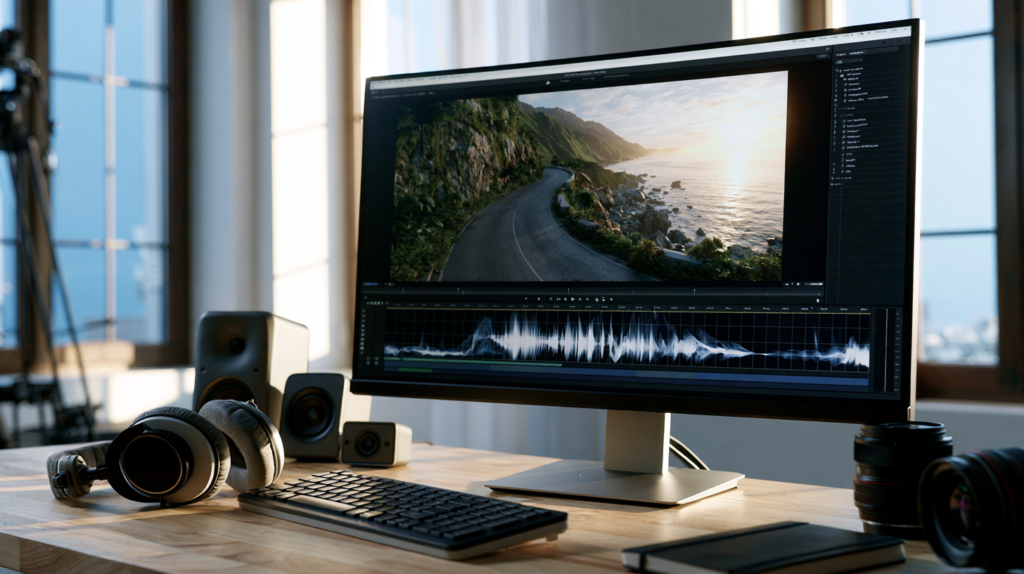
YouTube creator videos are one of the most accessible entry points into music licensing. Creators need music constantly, especially if they post weekly or daily. Travel vloggers, fitness channels, documentary creators, cooking channels, fashion creators, filmmakers, and lifestyle brands all use music to shape emotion and pacing.
Many creators start with stock music libraries, but stock tracks can feel repetitive. As creators grow, they often want music that sounds more personal and less generic. A creator with a loyal audience does not want every video to sound like a template. Original music can help their content feel more distinct.
That is where independent artists can compete. A strong track with clean rights, professional production, and clear licensing terms can be more attractive than a generic library track. If the song also has real Spotify traction, it gives the creator additional confidence that the music already connects with listeners.
Creators may not think like traditional music supervisors, but they still evaluate credibility. They may look at your monthly listeners, total streams, playlist placements, social presence, and overall brand. A track with organic Spotify streams, strong saves, and clear artist identity tells a stronger story than a track with no visible activity.
The indie film sync market is relationship-driven, but it is more accessible than many artists assume. Independent directors, documentary filmmakers, student filmmakers, festival creators, and small production teams need music that fits their projects without creating legal or financial problems.
These buyers care about more than the song. They need clear ownership, quick communication, usable files, and flexible terms. If a director has to wait days for you to confirm whether you own the master, they may move to another track. If your co-writer has not approved sync use, the deal may fall apart.
Indie film teams often work with tight timelines. They may need to clear music within a week, sometimes faster. That means your sync licensing materials should be ready before anyone asks. A clean one-sheet, stems, instrumental versions, split sheets, and ownership documentation can make you easier to work with.
Music supervisors working on indie projects often have limited budgets, but they still need professional standards. They want tracks that are emotionally clear, well-produced, and easy to edit. A song that comes with a full mix, instrumental, clean edit, and stems is more usable than a track with only one final master.
Many artists think sync pitching is only about the song. The song matters most, but streaming credibility can affect whether someone continues the conversation. When a creator, director, licensing platform, or supervisor hears your track, they may search your artist name and review your Spotify presence.
Your Spotify profile acts like a public proof point. Monthly listeners show whether people are paying attention. Save rate shows whether listeners care enough to keep the song. Playlist placements show whether curators have already recognized the track. These signals help buyers feel more confident in the music.
This does not mean you need millions of streams before you pitch. It means your profile should show real activity. A track with authentic listener behavior looks more credible than one with inflated numbers or no engagement. Fake streams do not help because they do not create real saves, follows, or audience depth.
For artists preparing to license music, organic growth matters. Our guide on Spotify for Artists metrics explains how to read monthly listeners, save rates, source data, and audience behavior in a way that supports smarter promotion and pitching.
At Explicit Promotions, campaigns focus on organic Spotify promotion, real curators, and genuine listeners. The goal is to help artists build the kind of profile that holds up when industry contacts look closer. No bots, no fake plays, and no shortcuts that put the artist profile at risk.

Before pitching for sync licensing, confirm that you can legally license the track. Ownership is the foundation. If you do not control the rights, you may not be able to approve the placement.
If you wrote the song, paid for the recording, released it independently, and did not sign away rights, you may own the master and the composition. Still, you should confirm this with your distribution agreement, producer agreement, beat license, and collaborator paperwork. Our guide on best music distribution services explains why distribution terms matter before artists build long-term release plans.
If you worked with a producer, co-writer, beatmaker, or featured artist, make sure the splits are documented. A sync buyer needs to know who controls the song and who must approve the license. If there is confusion, the buyer may choose another track.
Artists using leased beats should be especially careful. Some licenses allow streaming release but do not allow sync use. Others require an upgrade before the song can be used in film, ads, or creator videos. If a track contains samples, those samples must be cleared before the song can be licensed safely.
Clean ownership makes it easier to license. In the creator and indie film market, ease can be the difference between getting the deal and losing it.
Before you pitch creators or filmmakers, your Spotify artist profile should look professional and active. Buyers may not judge only by numbers, but a weak presentation can create doubt.
Start with profile basics. Use current artist photos, a clear bio, updated links, an Artist Pick, and consistent visuals. Your Spotify page should match your website, social channels, YouTube, and press materials. A buyer should feel that the artist's identity is clear and organized.
Then review your music data. Tracks with strong saves, repeat listening, and playlist placements may be better sync candidates than songs with higher raw streams but weaker engagement. A creator or supervisor wants music that connects emotionally. Save behavior can help show that connection.
Playlist history can also support your pitch. If your song performs well in a certain mood, genre, or activity playlist, that gives you language for sync outreach. For example, a track that performs well on cinematic indie playlists may be useful for documentary or short film pitching. A high-energy track that works on workout playlists may fit sports creators or fitness brands.
Our guide on what playlist curators look for explains why professional presentation, genre fit, and listener response matter before a track earns strong placement.
Every artist serious about music licensing for indie films and YouTube creator videos should prepare a simple sync package. This makes you faster, easier to evaluate, and more professional.
Start with a one-sheet. It should include your artist name, genre, sound, mood range, recent releases, streaming stats, notable playlist placements, and contact information. Keep it short. The goal is to help the buyer understand your catalog quickly.
Prepare a STEM package. This may include the full mix, instrumental, a cappella, clean version, and alternate edits. Not every buyer will need every version, but having them ready helps. Editors often need instrumental sections under dialogue or shorter versions for transitions, ads, intros, and outros.
Create a basic rate card. This does not need to be rigid, but it should give you a starting point. You may have one range for small YouTube creators, another for festival-only indie films, and another for branded or commercial use. Having a rate structure helps you respond confidently.
Keep your ownership documents organized. Split sheets, producer agreements, distribution terms, and master ownership details should be accessible. If a buyer asks whether the track is easy to clear, you should be able to answer quickly.
The best path is not always cold-pitching everyone. Artists can find sync opportunities through platforms, creator outreach, film communities, and networking.
Licensing platforms such as Musicbed, Artlist, Pond5, and similar libraries may accept independent submissions. Each platform has different terms, exclusivity requirements, approval standards, and payment structures. Read agreements carefully before submitting. Some platforms limit how you can license the same track elsewhere.
Direct creator outreach can also work when it is specific. Find YouTube creators whose content fits your sound. Study what music they already use. A travel filmmaker, fitness creator, cooking channel, fashion creator, or mini-documentary channel may need original music that matches a clear mood. A short, personal pitch with one strong track is better than a generic message with your entire catalog.
Film communities can also be useful. Platforms like FilmFreeway, Stage 32, local filmmaker groups, festival communities, and regional film meetups can connect artists with directors looking for music. These spaces work best when artists participate genuinely instead of only dropping links.
Music supervisor networking matters too. Industry events, regional film organizations, sync panels, and music business meetups can create relationships that cold emails rarely produce. One good conversation can lead to multiple opportunities over time.
A strong creator pitch should be short, personal, and useful. Creators are busy, and many receive low-quality pitches. Your job is to make the decision easy.
Start by referencing their content specifically. Mention a recent video, the type of scenes they create, or why your track fits their tone. Then include one direct listening link and explain the licensing status clearly. Do not attach large files to the first email unless requested.
Keep the pitch focused on the creator’s needs. Instead of saying, “I want exposure,” explain how your music can improve their video. For example, your track may fit travel montages, emotional documentary moments, gym edits, fashion reels, cinematic intros, or creator ads.
If you have real streaming traction, include it briefly. Mention monthly listeners, strong save rate, or relevant playlist placement only if it supports credibility. Do not overload the email with numbers. The goal is to create confidence, not overwhelm.
Follow up once if there is no response. If they do not reply, move on. Professional restraint matters because creators may remember artists who communicate respectfully.
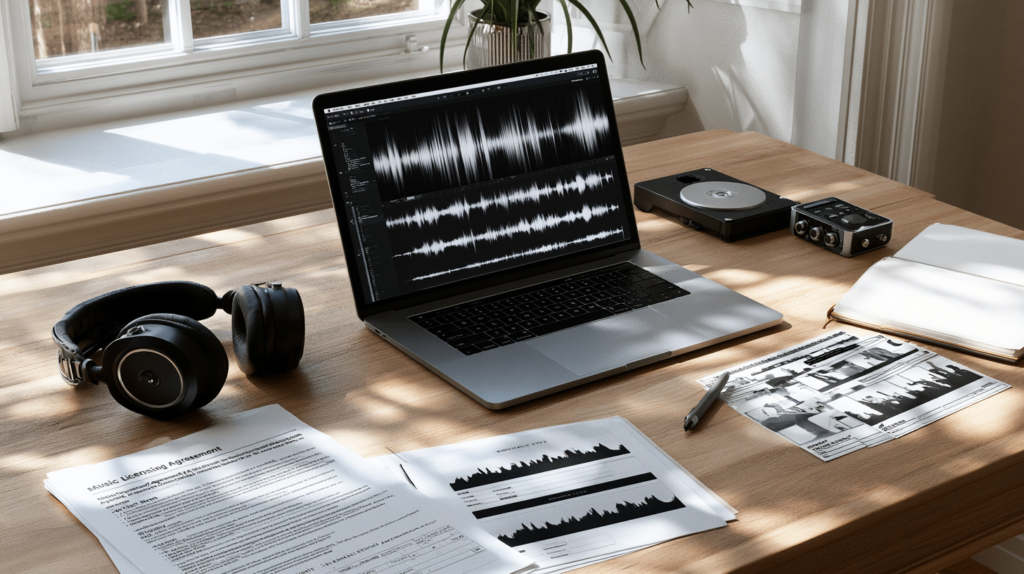
Pitching indie filmmakers requires a slightly different approach. Directors and supervisors often think in terms of scenes, mood, edit points, and clearance. Your pitch should show that you understand their workflow.
Use mood-based language. Instead of describing the song only by genre, explain where it fits visually. Words like atmospheric, tense, nostalgic, intimate, cinematic, hopeful, rebellious, understated, or driving can help buyers understand how the music might work in a scene.
Make the clearance status clear. If you control the master and publishing, say so. If co-writers are involved, explain that rights are cleared or easy to approve. If instrumental versions and stems are available, mention that too.
Provide one or two track options, not twenty. A short pitch with the right songs is stronger than a large folder with no direction. Supervisors do not have time to search through a catalog without guidance.
If a filmmaker responds, move quickly. Ask about usage, term, territory, budget, media type, and whether the project is commercial, festival-only, online, or broadcast. These details affect the license fee and contract terms.
Independent artists can license music for YouTube videos by owning or clearing their rights, preparing a simple sync package, setting usage-based rates, and pitching creators whose content fits their sound. A clear one-sheet, stems, and fast communication help.
Yes, many indie filmmakers pay for sync licenses, although fees vary by budget, usage, term, and distribution. Some small projects pay modest fees, while funded indie films, documentaries, and commercial projects may pay more.
Spotify data can help show that real listeners engage with your music. Monthly listeners, save rate, playlist traction, and listener demographics can make your pitch more credible to creators, filmmakers, sync agencies, and music supervisors.
Sync licensing rewards artists who are prepared. You need clean rights, usable files, professional communication, and music that fits visual storytelling. You also need a Spotify profile that shows real listener activity when buyers look you up.
At Explicit Promotions, we run 100% organic Spotify promotion campaigns with no bots, no fake plays, and no payola. Our network of 500+ curators in the top 1% globally has delivered over 50M+ authentic streams and reached 20M+ genuine fans for independent artists across genres.
When a creator, filmmaker, or music supervisor opens your Spotify profile, your numbers should support the pitch. Start your campaign with Explicit Promotions and build the streaming foundation that can help your music get licensed.
