Spotify for Artists is powerful, but it’s easy to misread. One day your monthly listeners jump, and you feel like the song is taking off. A week later it drops, and you assume the release failed.
Most of the time, the numbers aren’t “good” or “bad.” They’re telling you what kind of listening happened and whether Spotify thinks it should expand your reach.
This step-by-step guide helps independent artists grasp Spotify metrics without getting trapped in vanity metrics. You’ll learn how to read audience segments, how to separate discovery from loyalty, and how to use demographic insights to make data-driven decisions.
Start by choosing a timeframe that matches your question. If you’re analyzing a new release, you’re looking for movement across the first days and weeks. If you’re analyzing long-term growth, you need a wider view.
Spotify for Artists records stats in UTC time, which can make spikes look like they happened “yesterday” when they were actually earlier or later in your local time.
The best habit is consistency. Always compare performance using the same windows so you can see trends instead of noise.

A stream is counted when a song is played for at least 30 seconds. That rule is fundamental because it explains why you can get streams without true engagement.
Streams are an output, not a relationship. A playlist can generate streams from casual listeners, but if they don’t come back, the growth won’t hold.
So treat total streams as the start of the story. The rest of the dashboard tells you whether those streams came from real fans or temporary exposure.
A listener is a unique person. A single listener can generate many streams, which is why you can’t judge traction from streams alone.
Monthly listeners are your total unique listeners in the past 28 days. That number includes people who found you intentionally and people who heard you through Spotify’s programmed surfaces.
Monthly listeners are a reach metric. They’re useful, but they’re not the same as loyalty.
Spotify distinguishes monthly active listeners from monthly listeners. Monthly active listeners are the subset who intentionally streamed you in the past 28 days from active sources.
This is one of the best indicators of whether you’re building loyal fans instead of relying purely on playlist exposure.
If monthly listeners rise but monthly active listeners stay flat, you likely had a discovery spike. If both rise, you’re building a stronger base.
Spotify’s segmentation tools break your audience into behavior-based groups. This is where you stop asking “how many people listened?” and start asking “what type of listeners am I gaining?”
This matters because Spotify growth is a funnel. Programmed discovery can be powerful, but sustainable careers come from converting listeners into dedicated fans.
Segmentation turns your dashboard into strategy. It tells you where you are strong and where you are leaking attention.
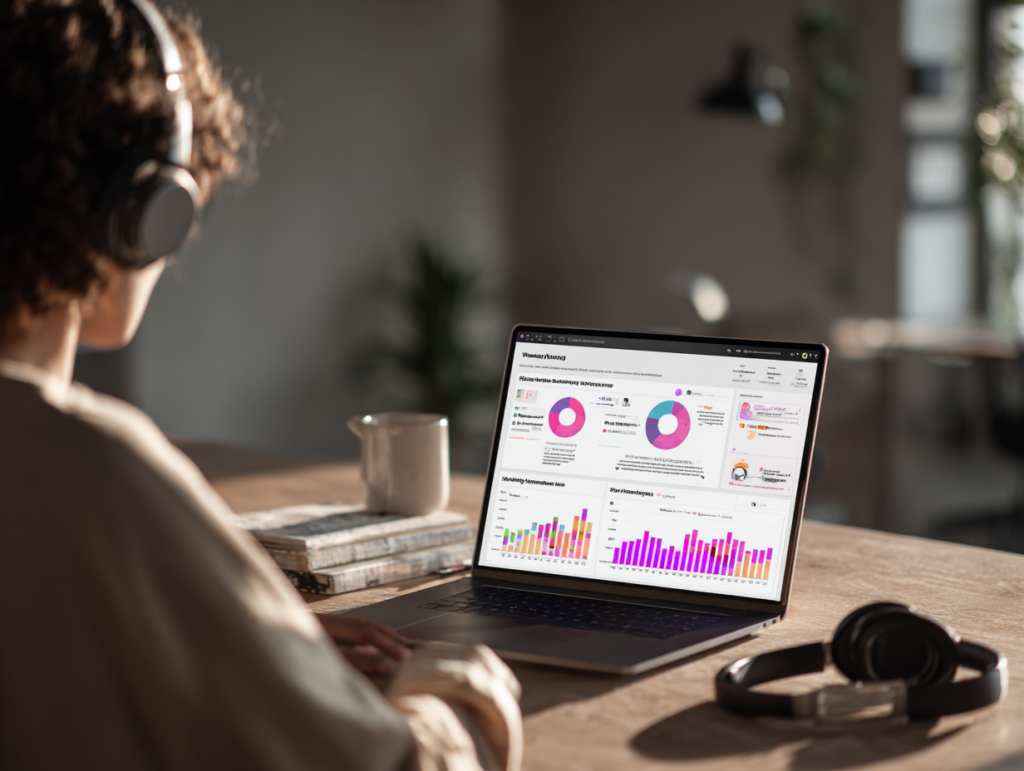
Spotify defines super listeners as monthly active listeners who intentionally streamed your music 15+ times in the past 28 days.
Spotify also breaks monthly active listeners into moderate (3–14 streams) and light (1–2 streams).
If you want real fans, focus on moving people up this ladder. Super listeners are not just streams—they’re proof that your music fits someone’s life.
Previously active listeners are people who used to intentionally stream you but have not done so in the past 28 days.
This segment is your early warning system. If it grows while your active audience stalls, your releases may not be giving fans a reason to return.
It’s also a roadmap. Previously active listeners are often easier to re-engage than brand-new audiences because they already showed genuine interest before.
Programmed listeners are listeners who have only streamed you from programmed sources, such as editorial playlists, playlists made by other listeners, and personalized playlists like Discover Weekly.
Spotify notes that these listeners haven’t intentionally streamed you from active sources in at least two years.
Programmed listeners are top-of-funnel. They can become real fans, but you have to convert them with strong music, clear profile positioning, and repeat exposure.
Spotify groups sources into active and programmed. Active sources happen when listeners intentionally seek you out. Programmed sources happen when Spotify or someone else selects your track for them.
If programmed sources dominate, you’re in discovery mode. If active sources grow over time, your own profile demand is strengthening.
The most sustainable pattern is both rising together: discovery bringing new listeners, and active listening proving you’re converting them.
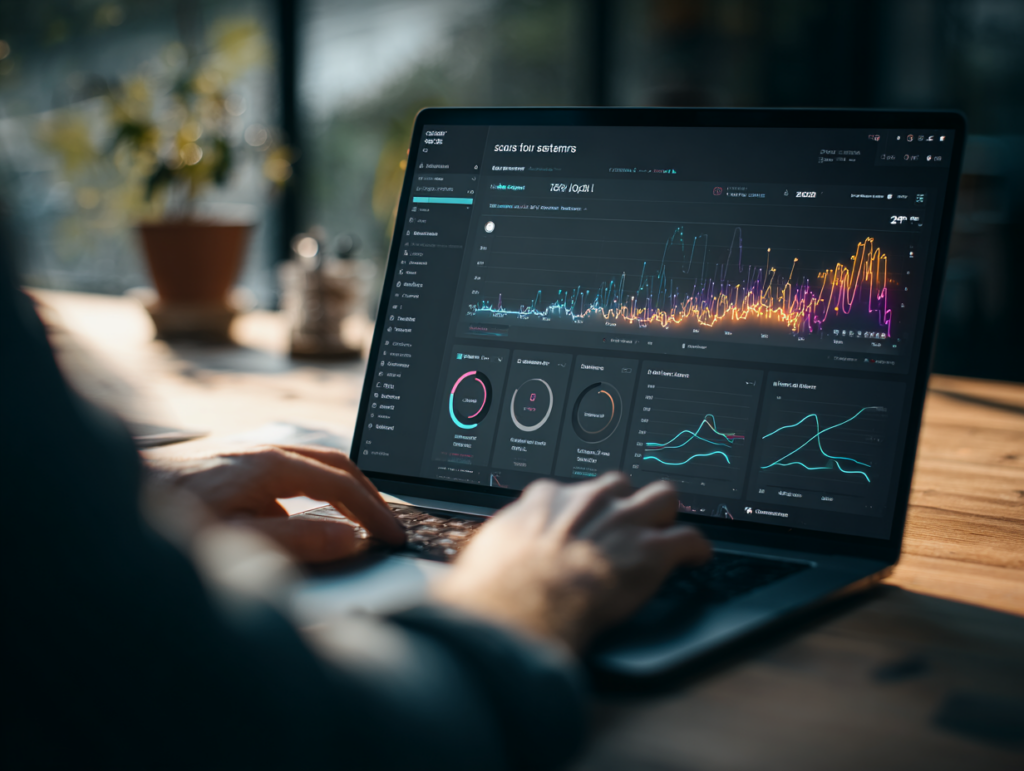
Spotify playlists can drive big spikes, but the metric that matters is what happens after the spike. Do listeners save the song? Do they follow? Do they explore other tracks?
Editorial playlists can create visibility, but visibility without conversion fades. Algorithmic playlists like Release Radar can be powerful because they often reach people already connected to you.
Treat each playlist placement as a test. Your job is to learn which playlists generate engaged listeners, not just temporary streams.
Spotify highlights release engagement by showing how many of your monthly active listeners streamed your new music each day during the first 28 days after release.
This helps you see whether your existing audience actually showed up, which is crucial for long-term growth.
If your release gets programmed discovery but your active audience doesn’t engage, the song may be reaching people without building loyalty. If active listeners stream consistently, you’re building a durable base.
Demographic insights—cities, countries, and audience distribution—help you decide where to focus. If one city consistently shows stronger listening, that can shape content, collaborations, and even live planning.
Geographic spikes that don’t match your marketing can also be a clue to investigate sources. Not all spikes are bad, but unexplained patterns deserve attention.
Demographics are not just “fun stats.” They’re a targeting tool for smarter promotion across streaming platforms.
One of the simplest signs of real fan conversion is catalog lift. If a new track drives streams and your other songs also rise, listeners are exploring.
If only one song spikes and everything else stays flat, you may have gotten surface-level exposure without deeper connection.
Real fans don’t just listen once. They move through your catalog, save tracks, and return.
Start with audience segments to see the mix of programmed listeners and active listeners. Then check sources to understand how Spotify playlists and your profile contributed.
Next, look at release engagement to see whether your existing audience showed up.
Finally, validate with outcomes: follower growth, playlist adds, and whether the catalog moved. This loop turns Spotify metrics into a repeatable growth system.

Monthly listeners include everyone who listened in the past 28 days. Monthly active listeners are the subset who intentionally streamed you from active sources in that same window.
Previously active listeners used to intentionally stream you, but they haven’t intentionally streamed you in the past 28 days.
Programmed listeners only heard you through programmed sources like editorial playlists and personalized playlists such as Discover Weekly, without intentional streaming from active sources in at least two years.
Spotify counts a stream when a song (or music video) is played for at least 30 seconds.
Look for rising monthly active listeners, follower growth, repeat engagement across the first 28 days, and catalog lift—when other songs rise after a track spikes.
Understanding Spotify for Artists metrics is about reading behavior, not chasing numbers. Monthly listeners measure reach, but monthly active listeners and segments like super listeners show whether your music is building loyal fans.
When you track sources, segmentation, and the first 28-day release window, you stop guessing. You start seeing what resonates, what converts, and what you should repeat on the next release.
Ready to grow your streams the right way? Contact Explicit Promo today and start building real momentum for your music.
