Your release is ready. The song sounds strong, the artwork is finished, and your existing fans may already be waiting. Then Spotify offers you Marquee, a paid in-app promotion tool designed to put your new release in front of listeners who already know your music. The pitch sounds clean, direct, and easy to understand. But is Spotify Marquee worth it for an independent artist trying to grow in 2026?
The honest answer is that Spotify Marquee can be useful, but only in the right situation. It is not a magic growth tool, and it is not a replacement for organic Spotify promotion, playlist discovery, or real fan acquisition. Marquee works best as a re-engagement tool for artists who already have an audience. If you are still trying to build that audience, the return may be limited.
For independent artists, the key is understanding what Marquee actually does, what it costs, where it helps, and where it falls short. Once you understand that difference, it becomes easier to decide whether your release budget should go toward Spotify paid promotion tools, organic playlist promotion, or a mix of both.
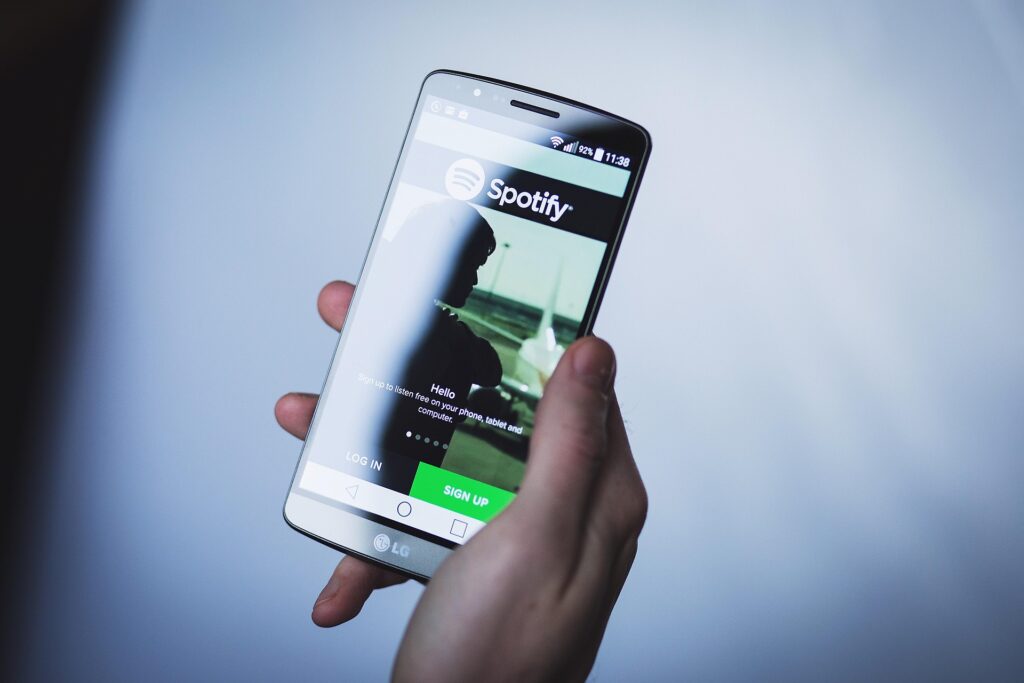
Spotify Marquee is a native paid promotion product inside Spotify. It shows a sponsored recommendation to selected listeners who have already engaged with your music in some way. The goal is to bring those listeners back to your new release, usually during an important release window.
That targeting can be valuable because these are not cold listeners. They may have streamed your catalog before, saved a track, followed your profile, or shown enough engagement for Spotify to consider them reachable. Compared with ads on outside platforms, Marquee has less friction because the listener is already inside Spotify and can move directly into the release.
However, that same strength is also the limitation. Spotify Marquee for independent artists is mainly designed to re-engage people who already know the artist. It does not automatically introduce your music to a large group of new listeners. If your existing audience is small, the campaign may have a limited pool to reach.
That is why Marquee should be viewed as a release week amplifier, not a full music promotion strategy. It can help remind existing listeners that you have new music out, but it does not build the audience foundation by itself. Artists who want long-term growth still need playlist discovery, profile optimization, strong content, and real listener engagement.
The cost structure is one of the biggest reasons artists ask whether Spotify Marquee is worth it. Marquee charges are based on listener action, often discussed as cost per intent. In simple terms, you pay when someone takes a qualifying action after seeing the sponsored recommendation.
Many artists compare this to cost per stream, but that comparison can be misleading. A Marquee campaign may generate streams, but the price is tied to Spotify’s campaign action model, not the same type of cost structure as a playlist campaign. The important question is not only how many streams came in. The better question is what kind of listener behavior followed.
If a campaign costs $250 and mainly reaches fans who were likely to stream the release anyway, the incremental value may be limited. You may see a release-week spike, but that does not always mean new audience growth. If the same budget could have placed your song in front of new listeners through Spotify playlist promotion, the long-term value may be different.
This is why Spotify Marquee cost per stream should not be evaluated in isolation. Artists should also look at saves, follows, repeat listens, playlist adds, profile visits, and whether monthly listeners increased after the campaign. A lower cost per action is not always better if the campaign only re-engaged existing fans without expanding the audience.
The biggest misunderstanding about Marquee is treating it like a discovery engine. It is better understood as a retention tool. It helps bring previous listeners back to a new release, which can support early momentum and release-week activity.
Retention has value. Existing listeners are more likely to save, replay, and engage than strangers. If you already have a loyal fanbase, Marquee can help activate that fanbase during a short promotional window. This can be useful when you are releasing an album, EP, or important single that deserves more attention from your current audience.
The problem happens when artists expect Marquee to do something it was not built to do. If your main goal is to reach new fans, grow monthly listeners, or introduce your music to people who have never heard you before, Marquee may not be the strongest first move. It can remind people that you exist, but it does not necessarily expand the pool.
That distinction matters for budget planning. A growing artist may need to prioritize new listener acquisition before paying to re-engage their existing audience. Our guide on Spotify Discovery Mode explains how different Spotify tools can support visibility, but also why each tool has limits.
Marquee becomes weaker when artists use it as a substitute for audience building. If you do not already have enough engaged listeners, the tool has less to work with. The campaign may still produce activity, but it may not create the kind of fanbase growth that changes your next release.
Another issue is that the results may not compound. A Marquee campaign can create a spike while the campaign is active. Once the campaign ends, the effect may slow down quickly unless the release has strong organic signals behind it. That is different from organic playlist promotion, where a good playlist placement can continue driving new listeners while the track remains placed.
The audience ceiling is also important. Marquee markets to listeners already connected to you. That pool can only grow if you are also bringing in new listeners from other sources. If you run Marquee again and again without expanding your audience, you may be paying to reach the same people repeatedly.
A clear warning sign is when streams increase during the campaign, but monthly listeners, saves, followers, and playlist adds barely move. That may mean the campaign created short-term activity without meaningful audience growth. Our guide on Spotify for Artists metrics explains why artists should look beyond stream count when judging campaign performance.

The comparison between Spotify Marquee and playlist promotion comes down to audience type. Marquee reaches listeners who already have some connection to your music. Playlist promotion reaches listeners who may be discovering you for the first time.
That difference changes the purpose of each tool. Marquee is useful for reactivation. Spotify playlist promotion is useful for discovery. Marquee can help existing fans notice a release. Playlist promotion can put the track in front of new listeners who are already listening to similar music.
For independent artists, discovery is often the bigger need. A song cannot build long-term momentum if it only circulates inside the same small audience. New listeners create new saves, new follows, new playlist adds, and new data for Spotify’s algorithm. Those are the signals that can support Discover Weekly, Radio, Autoplay, and other recommendation surfaces.
Playlist promotion also helps test audience fit. If a track performs well on playlists in a specific genre, mood, or region, that gives the artist useful data. A strong curator placement can reveal where the song resonates and which audiences may be worth targeting again. Our guide on what playlist curators look for explains why playlist fit matters more than simply chasing large follower counts.
Organic Spotify promotion focuses on real listeners, real playlists, and genuine engagement. The goal is not just to increase numbers. The goal is to create listener behavior that can support long-term growth.
At Explicit Promotions, campaigns are built around curator relationships, genre fit, and audience quality. The focus is on placing music where it belongs, not forcing streams from low-quality sources. This matters because Spotify’s algorithm is more likely to respond to listeners who save, replay, follow, and engage.
Organic playlist discovery can also introduce your music to people who are not already part of your audience. That makes the data more valuable. A new listener who saves your track is giving Spotify a stronger signal than an existing fan who was already likely to stream the release.
This is why organic playlist promotion can compound over time. A track that performs well with new listeners may continue gaining playlist adds, algorithmic recommendations, followers, and catalog plays. Those signals can support the current release and make the next release stronger.
For artists still building their base, organic discovery often deserves priority. Marquee can be useful later, but it works best when there is already a larger audience to re-engage.
Spotify Marquee may be worth it when three things are true. First, you already have an established listener base. Second, the release is important enough to justify paid re-engagement. Third, you are using Marquee as one part of a broader release campaign, not as the full strategy.
An artist with steady monthly listeners, strong catalog performance, and a real fanbase may benefit from Marquee during release week. The tool can help pull existing listeners toward the new track and create faster early engagement. If the release is already gaining traction, Marquee can help amplify that momentum.
It may also be worth testing if you have strong save rates and follower engagement. If your current fans consistently respond to new music, Marquee can help make sure more of them see the release. In that case, the campaign is not trying to prove demand. It is trying to activate demand that already exists.
However, if you are still trying to build monthly listeners, the budget may work harder elsewhere. Spending on organic Spotify promotion, playlist campaigns, content, and profile optimization may create a stronger foundation. Once that foundation exists, Marquee becomes more useful.
A stronger release strategy usually combines several channels. Spotify paid promotion tools can play a role, but they should not replace organic growth. The best campaign stack depends on where the artist is in their development.
For newer artists, the priority should be discovery. That may include organic playlist promotion, short-form content, YouTube, email list building, collaborations, and a consistent release strategy. The goal is to grow the pool of listeners who can later be re-engaged.
For artists with a growing audience, the strategy can become more layered. Playlist campaigns can bring in new listeners, while Marquee can re-engage existing fans. Social content can create awareness, and Spotify for Artists data can reveal which channels are actually moving listeners toward saves and follows.
For established independent artists, Marquee may become part of the release week plan. It can support early engagement while other channels expand reach. In that position, Marquee is not carrying the campaign alone. It is reinforcing a system that is already working.
The best promotion stack should answer one question clearly: are we building new audiences, re-engaging existing audiences, or both? Once that answer is clear, budget decisions become easier.
To evaluate Spotify Marquee, do not stop at campaign clicks or streams. Look at what happened after the campaign. Did monthly listeners increase? Did the save rate improve? Did followers grow? Did the track get added to personal playlists? Did algorithmic sources rise after the campaign window?
If the answer is yes, Marquee may have supported real release momentum. If the stream count increased but everything else stayed flat, the campaign may have re-engaged listeners without expanding the artist’s base.
Compare those results against other promotion channels. If playlist promotion creates more new listeners, saves, follows, or algorithmic lift for a similar budget, that may be a stronger investment. If Marquee produced excellent re-engagement from existing fans, it may deserve a smaller but consistent role in future releases.
Artists should also compare cost against listener quality. A cheap stream is not always valuable, and an expensive stream is not always wasteful. The real value comes from whether the listener becomes more engaged after hearing the song.
Promotion should be measured by momentum, not vanity metrics. The campaign that builds followers, saves, and repeats listening is usually more valuable than the campaign that creates a short spike and disappears.
Spotify Marquee can be worth it for independent artists who already have an engaged listener base and want to re-engage fans during release week. It is less useful for artists who still need new audience growth.
Not always. Spotify Marquee is better for reaching existing listeners, while playlist promotion is better for reaching new listeners. Most growing artists need discovery first, then re-engagement later.
The best alternative is organic Spotify promotion through real playlist placements, strong profile optimization, release content, and data-driven audience growth. This helps artists reach new listeners instead of only retargeting existing fans.
Spotify Marquee can be useful, but it should not be the foundation of your entire release strategy. If your audience is already strong, Marquee may help re-engage listeners during an important release window. If your audience is still growing, your budget may work harder when it brings your music to new fans.
At Explicit Promotions, we help artists grow through 100% organic Spotify promotion, real curator relationships, and playlist campaigns built around genuine discovery. No bots, no fake plays, and no shortcuts that put your Spotify profile at risk.
If you want more than a temporary campaign spike, focus on the listeners who have not found you yet. Start your Spotify campaign with Explicit Promotions and build real growth from real fans.
