Summer can be one of the strongest release windows for an independent artist, but it is also one of the easiest seasons to waste. Listeners are more active, playlists move faster, and social media content feels more visual, but every artist with a summer song is trying to capture the same attention. A focused music release strategy gives your track a better chance to stand out before the season gets crowded.
The goal is not just to publish a song in June or July. The goal is to build a release moment that creates real streams, playlist engagement, saves, repeat listeners, and Spotify growth that continues after the first week. A seasonal campaign works best when the song, visuals, pitch, content, and promotion all support the same story.
This guide turns your release into a focused campaign, not a random upload. It covers timing, positioning, playlist promotion, social media strategy, and post-release momentum so your summer single release plan feels intentional from the first teaser to the final campaign push.
A warm-weather release does not behave like a regular launch because listener behavior changes during the season. People are driving more, traveling more, attending events, building playlists for trips, and searching for music that fits a mood. That gives independent artists a real opportunity when the track has a clear identity and a plan behind it.
At the same time, the competition is intense. Major labels, established artists, and emerging creators all push music into the same seasonal window. That means music promotion must begin before release day, not after the song is already live. The earlier you prepare, the more time you have to build early interest, finish assets, pitch curators, and create content that makes the release feel active.
The best seasonal campaigns are not built around hype alone. They are built around listener behavior. If the right listeners hear the track early, save it, replay it, share it, or add it to playlists, Spotify receives stronger signals. Those signals can support algorithmic playlists, Release Radar, and longer-term discovery.
Your release should feel finished before your campaign begins. That means the master, artwork, metadata, artist profile, and creative direction should be ready early enough to avoid last-minute decisions. A rushed launch usually creates weak promotion because the artist spends the most important weeks fixing files instead of building attention.
Six to eight weeks before release, focus on the foundation. The track should be mastered, the cover art should match the seasonal identity, and your Spotify profile should be updated so new listeners understand who you are. If you need a broader structure for the technical side, the Spotify release planning template gives you a useful framework for building a clean launch.
This is also the right time to define the emotional lane of the song. A warm-weather track does not need to sound like a beach anthem, but it does need to be positioned honestly. If the song is energetic, frame it around movement, travel, nightlife, or summer moments. If it is more emotional, position it around late-night drives, reflection, or relationship stories instead of forcing it into a fake “party” category.
Summer playlists often organize around mood and activity, but that does not mean every track belongs on every seasonal playlist. A strong playlist strategy starts with fit. The more naturally your song matches a playlist’s listener expectation, the more likely it is to create saves, repeat plays, and strong retention.
For uptempo tracks, seasonal positioning can lean into feel-good music, road trip playlists, beach playlists, dance energy, party settings, and high-replay hooks. For indie, R&B, pop, electronic, hip hop, or Latin-influenced songs, the pitch should connect the song to a clear use case. Curators need to understand where the track belongs, not just that it is new.
If the song is darker, slower, or more niche, a summer launch can still work. The strategy simply changes. Instead of chasing broad seasonal playlists, focus on genre relevance, mood consistency, and listeners who already respond to that sound. The guide on editorial vs algorithmic Spotify playlists is useful here because it explains why different playlist types respond to different signals.
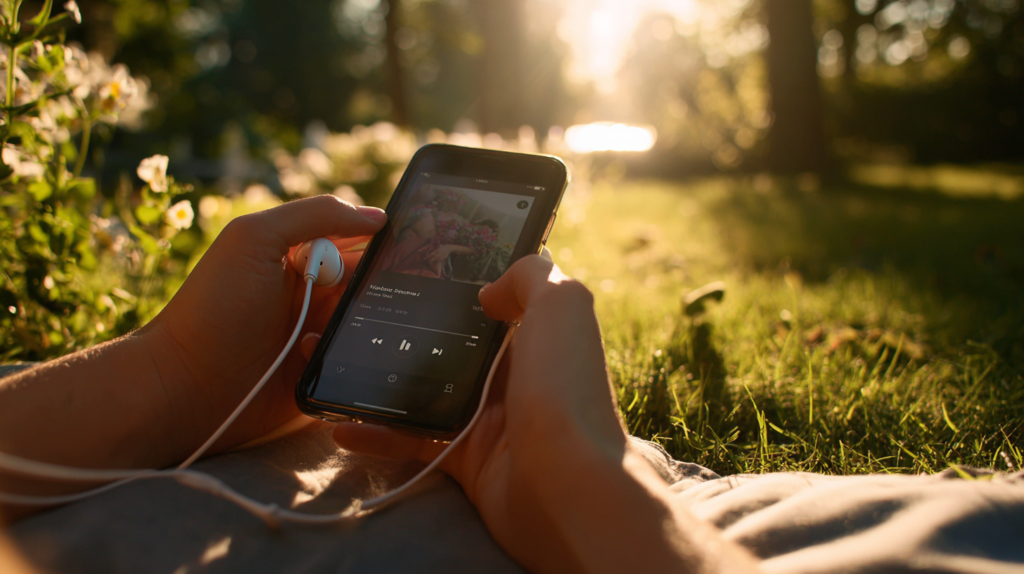
A pre-save campaign is not valuable because the link exists. It is valuable when it builds real listener intent before release day. If people pre-save but do not listen, the campaign produces weak value. If the early audience is made up of fans who are likely to stream, save, and replay the track, it can strengthen your first wave of engagement.
The pre-save should be introduced as part of the story, not repeated like spam. Share why the song matters, show the creative process, reveal the cover art, and give listeners a reason to care before asking for the click. A stronger pre-release push connects emotion with action, which makes the release feel personal instead of transactional.
Artists who want a deeper pre-release structure can connect this section with the guide on building real momentum with pre-save campaigns. The main idea is simple: pre-save strategy, release day traffic, and playlist pitching should support one another instead of happening separately.
Summer content works best when it feels visual, energetic, and easy to understand. This does not mean every video needs to be shot on a beach, but the content should match the mood of the song and the season. Natural light, movement, outdoor scenes, behind-the-scenes clips, lyric moments, and short performance videos can make the track feel more alive.
The mistake many artists make is posting only the cover art and a streaming link. That is not enough to create discovery. A stronger social media strategy gives the audience multiple reasons to hear the song before and after release day. One post can show the making of the track, another can reveal the hook, another can connect the song to a summer moment, and another can invite fans to use it in their own content.
For artists still building an audience, content should also educate the algorithm on who the music is for. The guide on music marketing tips for new artists connects well with this approach because summer promotion is not only about reach. It is about getting the right people to respond.
Playlist outreach should never feel like mass messaging. Curators receive too many generic pitches, and most of them are easy to ignore. A better playlist outreach strategy explains why the song fits the playlist, what mood it serves, and why listeners would respond to it during the seasonal window.
The strongest pitches are specific without being dramatic. Instead of saying the song is “perfect for summer,” explain the energy, genre, hook, and listener context. If the track fits road trips, say that. If it fits poolside house playlists, say that. If it fits late-night R&B, say that. Relevance makes the pitch easier to evaluate.
You can strengthen this part of the campaign by reviewing playlist outreach strategy email scripts and how to find Spotify playlist curators. Together, those resources help artists avoid random submissions and focus on curators who are more likely to support real playlist placements.
Release day is not the day to start planning. It is the day when your preparation becomes visible. Your streaming links should be ready, your posts should be prepared, your audience should already know the song is coming, and your promotion timeline should be active.
A strong release day usually includes a direct announcement, a short-form video, personal context, and real-time engagement with people who respond. The goal is to drive listeners to the song while the release is fresh. This helps build early Spotify engagement, especially if listeners save the track, follow the artist profile, or add the song to their own playlists.
The first week matters because Spotify begins reading the response quickly. The guide on maximizing first-week Spotify streams explains this in more detail, but the practical takeaway is that your first wave should be focused, clean, and built around real listeners rather than empty clicks.

Many artists stop promoting too early. They treat release day like the finish line, then wonder why the song fades after a few days. In reality, the first month gives the track more time to collect signals, reach new listeners, and develop a clearer performance pattern.
Post-release content should keep the song active without repeating the same message. You can share fan reactions, playlist adds, behind-the-scenes clips, lyric explanations, acoustic versions, performance clips, or stories about what inspired the track. The goal is to give the audience new entry points into the same release.
This is also when playlist tracking, audience data, and Spotify for Artists become important. The guide on tracking Spotify playlist performance with data can help you understand whether your campaign is producing engaged listeners or just temporary spikes.
Seasonal competition can make shortcuts look tempting, especially when other artists seem to be getting fast numbers. But fake streams, bot-driven playlists, and suspicious traffic can damage your profile more than they help it. A song that receives inflated plays without saves, follows, or repeat listening sends weak signals.
A safer campaign focuses on organic music promotion, real playlists, aligned listeners, and growth that can be measured beyond surface-level stream count. That means looking at saves, follower growth, source quality, playlist behavior, and whether listeners continue engaging after the first spike.
Before investing in promotion, artists should understand the difference between growth and manipulation. The guides on music promotion tips that actually work and organic vs fake streams are strong internal resources for protecting your catalog while still building momentum.
A summer single performs better when every channel supports the same message. The Spotify pitch, curator outreach, social content, visuals, artist bio, captions, and promotion campaign should all tell one clear story. When the campaign feels connected, listeners understand the song faster, and curators can place it more confidently.
This is where many independent artists lose momentum. They have a good song, but the rollout feels scattered. One post says one thing, the playlist pitch says another, and the visuals do not match the mood. A clean music marketing strategy removes that confusion and makes the release easier to remember.
Artists trying to grow beyond one release should also think about the next move. A summer single can introduce new listeners, but repeat releases turn those listeners into a real audience. The guide on reaching 100K listeners with organic growth is a useful next step for turning one campaign into a longer growth system.
Is summer a good time to release music on Spotify?
Yes, summer can be a strong time to release music because listeners are highly active and playlists often respond to seasonal moods. The release still needs a clear plan, because more listening also means more competition from major artists, independent artists, and seasonal catalog tracks.
What should be included in a summer music release strategy?
A strong summer music release strategy should include early asset preparation, clean metadata, a realistic pre-save push, playlist positioning, social media content, release day execution, and sustained promotion after the first week. The goal is to create real engagement, not just a one-day announcement.
Can a non-summer-sounding song still be released in summer?
Yes. A song does not need to sound bright or upbeat to work in summer. The key is honest positioning. If the track is emotional, dark, acoustic, or niche, promote it through the right genre and mood channels instead of forcing it into seasonal playlists that do not match the sound.

A summer single can create serious momentum when the campaign is built before the song goes live. The opportunity is real, but it belongs to artists who prepare early, position the track clearly, and keep promotion active beyond release day. A strong summer single release plan gives your music a better chance to reach listeners while the season is already working in your favor.
If your goal is to make the release count, focus on meaningful listening activity rather than empty visibility. Build the story, support the first streaming window, track what happens, and keep the song moving through the full campaign period.
Ready to grow your streams the right way? Contact Explicit Promo today and start building real momentum for your next summer release.
